

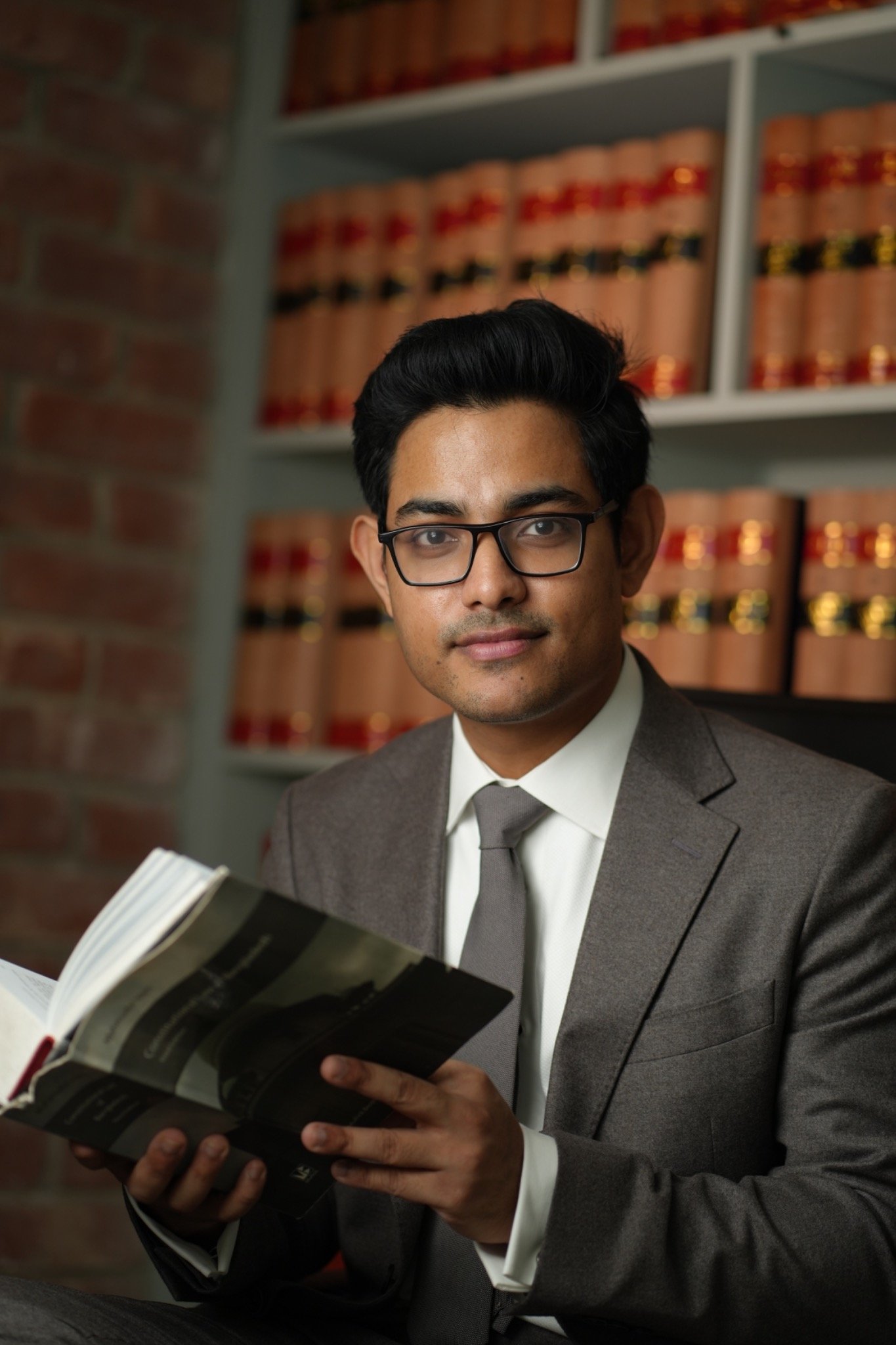
Comprehensive Legal Guide on Supreme Court Lawyer Bangladesh
In Bangladesh’s complex judicial landscape, engaging a Supreme Court lawyer Bangladesh is crucial for navigating high-stakes litigation and constitutional matters. The Supreme Court of Bangladesh (সুপ্রিম কোর্ট) stands as the apex judicial authority, and only lawyers enrolled in the Supreme Court Bar are eligible to practice here, making the role of a Supreme Court lawyer indispensable. This guide provides an exhaustive overview of the qualifications, procedures, responsibilities, and practical insights for legal professionals and clients seeking expertise in the Supreme Court.
Understanding the Role of a Supreme Court Lawyer in Bangladesh
The Supreme Court of Bangladesh comprises two divisions: the Appellate Division and the High Court Division. Legal professionals practicing in these courts are required to meet stringent qualifications and procedural requirements. The Supreme Court lawyer Bangladesh operates at this highest judicial level, presenting cases involving constitutional interpretation, civil and criminal appeals, and writ petitions.
Qualification and Enrollment Process
To become a Supreme Court lawyer, an advocate must first be enrolled as a lawyer in the District Courts and subsequently in the High Court Division. After a minimum period of practice (usually two years in the High Court Division), the advocate may apply for enrollment in the Supreme Court Bar, subject to the approval of the Bar Council and compliance with the Advocates Act, 2016 (আইনজীবী আইন, ২০১৬).
The enrollment process involves:
- Submission of an application to the Supreme Court Bar Association (সুপ্রিম কোর্ট বার এসোসিয়েশন)
- Verification of credentials and conduct
- Passing any requisite examinations or interviews
- Taking the oath before the Supreme Court
Only after successful enrollment can a lawyer represent clients in the Supreme Court.
Distinctive Responsibilities of Supreme Court Lawyers
Supreme Court lawyers in Bangladesh handle complex legal issues, including but not limited to:
- Constitutional challenges and public interest litigations (পাবলিক ইন্টারেস্ট লিটিগেশন)
- Appeals from lower courts involving significant legal principles
- Advising on legal reforms and policy matters
- Drafting and arguing writ petitions under Article 102 of the Constitution
Given the gravity of cases handled, these lawyers are expected to maintain high ethical standards, demonstrate deep legal knowledge, and exhibit superior advocacy skills.
Procedural Aspects and Court Etiquette for Supreme Court Lawyers
Filing and Hearing Procedures
Cases in the Supreme Court follow strict procedural rules as per the Supreme Court Rules, 1984, and subsequent amendments. Supreme Court lawyers must be adept at:
- Drafting precise and cogent petitions, appeals, and written statements
- Adhering to time limits for filing appeals and responses
- Complying with procedural requirements such as court fees and service of notices
- Managing case lists and ensuring timely appearances
Efficient handling of procedural aspects is critical to avoid dismissal or delay of cases.
Professional Etiquette and Advocacy Standards
Advocates practicing in the Supreme Court are bound by the Bangladesh Bar Council Rules and the Advocates’ Code of Conduct, which emphasize:
- Respectful behavior towards the bench and opposing counsel
- Maintaining client confidentiality and avoiding conflicts of interest
- Presenting arguments with clarity, legal reasoning, and decorum
- Ensuring punctuality and preparedness for hearings
These standards uphold the dignity of the Supreme Court and foster a culture of professionalism.
Practical Advice for Clients Engaging Supreme Court Lawyers
Clients seeking legal representation at the Supreme Court level should consider:
- Verifying the lawyer’s enrollment status with the Supreme Court Bar Council (www.barcouncil.gov.bd)
- Assessing the lawyer’s expertise in relevant practice areas (bdadvocates.com/practice-areas/)
- Understanding the fee structure and billing methods upfront
- Ensuring clear communication channels and regular updates
Engaging a lawyer well-versed in Supreme Court procedures significantly increases the likelihood of favorable outcomes.
Comparative Overview: Supreme Court Lawyer vs. Other Legal Practitioners in Bangladesh
| Aspect | Supreme Court Lawyer (সুপ্রিম কোর্ট আইনজীবী) | High Court Division Lawyer (উচ্চ আদালতের আইনজীবী) | District Court Lawyer (জেলা আদালতের আইনজীবী) |
|---|---|---|---|
| Eligibility | Minimum 2 years practice in High Court; enrollment in Supreme Court Bar | Enrollment after practicing in District Courts; approval by Bar Council | Fresh law graduates can enroll directly |
| Scope of Practice | Supreme Court (Appellate & High Court Division) only | High Court Division and District Courts | District Courts only |
| Types of Cases | Constitutional, civil/criminal appeals, writ petitions | Civil and criminal cases, appeals from District Courts | Civil and criminal cases at first instance |
| Professional Requirements | Strict adherence to Supreme Court Rules and Bar Council ethics | Bar Council Rules; less stringent than Supreme Court | Basic Bar Council Rules |
| Fee Structure | Higher fees due to case complexity and prestige | Moderate fees | Lower fees |
Legal Framework and Resources for Supreme Court Lawyers
Relevant Laws and Regulations
The practice of Supreme Court lawyers is governed primarily by:
- The Advocates Act, 2016 (আইনজীবী আইন, ২০১৬) available at the Ministry of Law’s official repository
- The Supreme Court Rules, 1984 (সুপ্রিম কোর্ট বিধিমালা, ১৯৮৪)
- The Constitution of the People’s Republic of Bangladesh (বাংলাদেশ সংবিধান)
Supporting Institutions and Bar Associations
Supreme Court lawyers operate within the ecosystem of several key institutions:
- Supreme Court of Bangladesh: The apex judicial authority where these lawyers practice.
- Bangladesh Bar Council: Regulatory body overseeing enrollment and conduct.
- Judiciary of Bangladesh: The complete judicial framework.
Continuing Legal Education and Professional Development
Supreme Court lawyers are encouraged to engage in continuous learning through:
- Workshops and seminars organized by the Supreme Court Bar Association
- Legal research and publication
- Networking with senior advocates and judges
Staying updated on legislative changes and landmark judgments is essential for effective practice.
Integrating Supreme Court Lawyer Services with Broader Legal Needs
Clients often require a range of legal services beyond Supreme Court litigation. Top-tier law firms such as bdadvocates.com offer comprehensive legal solutions across diverse practice areas. Whether it is corporate law, intellectual property, or criminal defense, coordination with Supreme Court lawyers ensures holistic representation.
For inquiries and consultations, potential clients may refer to the contact page to schedule appointments with experienced Supreme Court advocates.
Internal Resources for Legal Professionals
- Practice Areas Overview: Understanding specialization fields.
- Legal Services: Comprehensive service offerings.
- Contact Information: Direct access to legal teams.
- Legal Insights by Tahmidur Rahman: Thought leadership in law.
- Meheruba Legal: Additional legal expertise and resources.
External Authoritative Resources
- Official Supreme Court Website: Court rules, notifications, and case status.
- Bangladesh Laws Database: Access to statutes and legislative updates.
- Judiciary Portal: Judicial information and resources.
- Bangladesh Bar Council: Lawyer regulation and enrollment.
- Ministry of Law: Policy and legal framework updates.
FAQs
Q1: What qualifications are required to become a Supreme Court lawyer in Bangladesh?
A1: An advocate must first practice at the District Courts and then be enrolled in the High Court Division for at least two years before applying for Supreme Court Bar enrollment. The process requires approval by the Bar Council and taking an oath before the Supreme Court.
Q2: Can any lawyer practice in the Supreme Court of Bangladesh?
A2: No. Only lawyers enrolled in the Supreme Court Bar Association with the requisite qualifications and approvals can practice in the Supreme Court.
Q3: What types of cases are handled by Supreme Court lawyers?
A3: Supreme Court lawyers handle constitutional cases, appeals from lower courts, writ petitions, and other high-profile civil and criminal matters.
Q4: How are Supreme Court lawyers regulated in Bangladesh?
A4: They are regulated by the Bangladesh Bar Council, which oversees enrollment, conduct, ethics, and disciplinary actions.
Q5: Where can I verify if a lawyer is enrolled in the Supreme Court Bar?
A5: Verification can be done via the Bangladesh Bar Council’s official website (www.barcouncil.gov.bd) or by contacting the Supreme Court Bar Association.
Q6: What should clients consider when hiring a Supreme Court lawyer?
A6: Clients should verify the lawyer’s enrollment, experience in relevant case types, fee structure, and communication approach to ensure effective representation.
In conclusion, a Supreme Court lawyer Bangladesh plays a pivotal role in the country’s judicial system, navigating complex legal terrain with expertise and professionalism. For comprehensive representation and guidance, engaging a qualified Supreme Court advocate is indispensable. Legal professionals and clients alike are encouraged to utilize the resources and adhere to the procedural and ethical standards highlighted in this guide.
0 Comments