

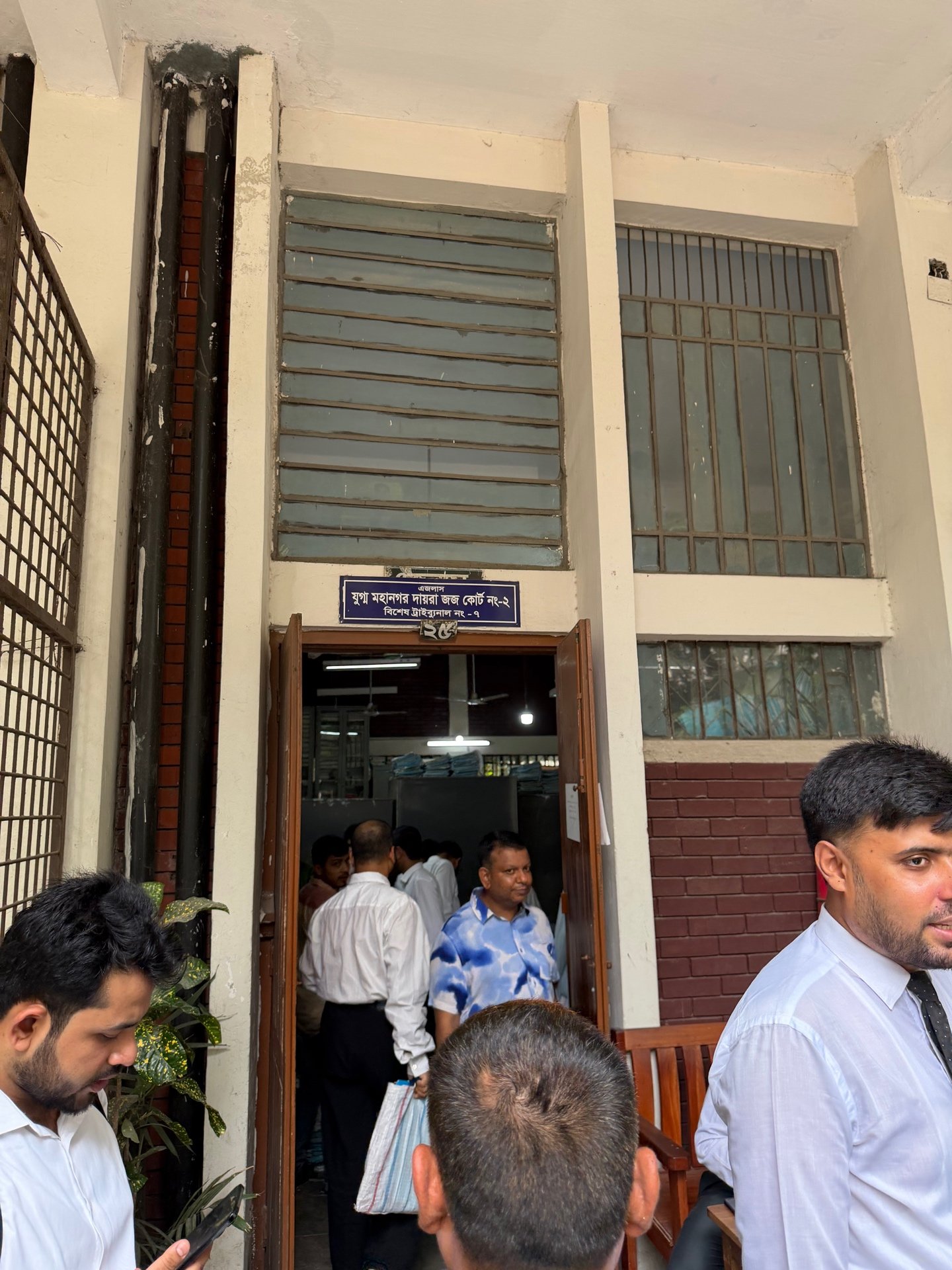
Comprehensive Guide to the PDR Act in Bangladesh: Legal Framework and Practical Insights
The PDR Act (Public Demands Recovery Act) stands as a pivotal statute within the legal architecture of Bangladesh, primarily addressing the recovery of public demands owed to the government or statutory bodies. For legal professionals, corporate clients, and individuals navigating public dues, a thorough understanding of the PDR Act (পিডিআর আইন) is indispensable. This article presents an authoritative and detailed examination of the PDR Act, elucidating its legal provisions, procedural requisites, and practical implications in the context of Bangladesh’s judicial system.
Introduction to the PDR Act
Enacted to streamline and expedite the recovery of public dues, the Public Demands Recovery Act (PDR Act) provides the government agencies and statutory authorities with legal mechanisms to recover dues without resorting to prolonged civil litigation. The Act empowers designated officials to initiate summary proceedings against defaulters, enabling efficient enforcement of government claims.
Given the increasing complexity of public administration and the critical need for timely recovery of revenues, understanding the contours of the PDR Act is essential for legal practitioners advising government bodies, businesses, and individuals. This comprehensive guide aims to clarify the statutory framework, procedural steps, and legal nuances underpinning the PDR Act.
Historical Background and Legislative Context
Genesis of the PDR Act
The PDR Act was originally formulated during the British colonial period to facilitate the recovery of government dues such as taxes, fees, and other public demands. Post-independence, Bangladesh retained and adapted this legislation to suit its administrative needs. Over time, amendments have been introduced to enhance the efficacy and scope of the Act.
Legal Position Within Bangladesh’s Statutory Framework
The PDR Act operates alongside other civil and revenue laws, such as the Civil Procedure Code (CPC) and the Revenue Recovery Act. Unlike traditional civil suits, the PDR Act empowers recovery officers to enforce dues summarily, circumventing the adversarial and often protracted civil litigation routes. This legal positioning makes the PDR Act a vital instrument in public finance administration.
Relevant Statutory Provisions and Amendments
Key provisions of the Act delineate the scope of public demands recoverable, the authority of recovery officers, procedural safeguards for debtors, and mechanisms of appeal and review. Practitioners must stay abreast of amendments promulgated by the Ministry of Law (https://minlaw.gov.bd/) and updates issued by the Bangladesh Law Commission.
Procedural Aspects Under the PDR Act
Initiation of Recovery Proceedings
Recovery proceedings under the PDR Act commence when a public demand remains unpaid beyond the stipulated time. Authorized officers, typically appointed by government ministries or statutory bodies, issue demand notices specifying the amount due, interest, and penalties if applicable.
Summary Enforcement and Attachment
The Act empowers recovery officers to attach movable and immovable property of the defaulter without prior civil suit. The summary nature of these proceedings makes them expeditious, but due process must be observed to uphold the debtor’s rights.
Appeals and Remedies
Debtors aggrieved by recovery orders may file appeals before designated appellate authorities within specified timeframes. The appellate process, however, remains tightly regulated to prevent frivolous delays. Legal counsel must advise clients on timely and procedurally compliant appeals to safeguard their interests.
Practical Implications and Legal Considerations
Impact on Businesses and Individuals
Non-compliance with public demands under the PDR Act can lead to significant financial and operational risks, including attachment of assets, disruptions in business operations, and reputational damage. Businesses engaged in sectors like real estate, import-export, and taxation should monitor their compliance rigorously.
Role of Legal Professionals
Lawyers advising clients facing PDR Act recovery proceedings must provide comprehensive support including assessment of dues, negotiation with authorities, and representation in appeals. Expertise in related fields such as tax law, administrative law, and property law is often necessary. For instance, those dealing with property-related dues may find valuable insights in this detailed article on property law by Tahmidur Rahman Remura Wahid.
Etiquette and Best Practices in Recovery Proceedings
Maintaining professionalism in interactions with recovery officers, timely compliance with notices, and thorough documentation can mitigate adverse outcomes. Legal practitioners should also counsel clients on alternative dispute resolution mechanisms and pre-emptive compliance strategies.
Comparison of PDR Act with Related Legal Instruments
| Aspect | PDR Act (Public Demands Recovery Act) | Civil Procedure Code (CPC) | Revenue Recovery Act |
|---|---|---|---|
| Nature of Proceedings | Summary recovery of public demands | Ordinary civil litigation | Recovery of government revenue through summary process |
| Scope | Public dues owed to government/statutory bodies | Private and public disputes | Government revenue including land revenue |
| Authority | Recovery officers appointed under the Act | Civil courts | Revenue officers and collectors |
| Appeal Mechanism | Designated appellate authority within government | Hierarchy of civil courts | Revenue appellate authorities |
| Speed of Proceedings | Expedited, summary | Lengthy, adversarial | Summary but distinct from PDR Act |
| Examples of Dues | Taxes, fees, fines, license dues | Varies widely | Land revenue, khas land dues |
Key Legal Challenges and Recommendations
Challenges in Enforcement
While the PDR Act expedites recovery, challenges include inconsistent application by recovery officers, procedural lapses, and limited awareness among debtors. Courts have occasionally intervened to uphold due process, emphasizing the balance between efficient recovery and fundamental rights.
Recommendations for Legal Practitioners
- Ensure rigorous compliance with procedural requirements under the PDR Act.
- Advise clients proactively on risk assessment and mitigation relating to public demands.
- Leverage alternative dispute resolution (ADR) where applicable to minimize litigation.
- Stay updated with legislative amendments via official sources such as the Bangladesh Laws Database and Bangladesh Bar Council.
Future Outlook
Ongoing legal reforms and digitization initiatives by the Ministry of Law and the Judiciary (https://www.judiciary.org.bd/) aim to enhance transparency and efficiency in recovery proceedings under the PDR Act. Legal professionals should align their practice to leverage these developments, ensuring clients benefit from streamlined procedures.
Integrating the PDR Act in Broader Legal Practice
For law firms and practitioners, incorporating expertise in the PDR Act complements other practice areas such as tax law, administrative law, property law, and commercial litigation. Our firm at BD Advocates offers specialized legal services (https://bdadvocates.com/legal-services/) to assist clients in navigating public demands recovery and related disputes.
Contact us through our official portal for consultations or visit partner legal resources like Barrister Bangladesh and ADV Bangladesh to broaden your understanding of related legal domains.
Additional Resources for Legal Professionals
- Supreme Court of Bangladesh: Case law and judgments relevant to the PDR Act.
- Ministry of Law, Justice and Parliamentary Affairs: Legislative updates and policy documents.
- Tahmidur Rahman’s Legal Insights: Expert articles on property and administrative law.
- Meheruba Legal Blog: Practical guides and case studies.
Conclusion
The PDR Act remains a cornerstone statute facilitating the government’s ability to efficiently recover public dues while balancing procedural fairness. For legal professionals and clients in Bangladesh, a nuanced understanding of the Act’s provisions, procedural modalities, and intersection with other legal instruments is crucial. By integrating comprehensive legal strategies and staying informed through authoritative resources, stakeholders can navigate the PDR Act landscape effectively.
FAQs
1. What types of public demands can be recovered under the PDR Act?
The PDR Act covers various public demands including taxes, fees, fines, license dues, and other government-imposed charges that remain unpaid.
2. Who is authorized to initiate recovery proceedings under the PDR Act?
Recovery officers appointed by government ministries or statutory authorities have the legal authority to initiate proceedings under the Act.
3. Can a debtor appeal against a recovery order issued under the PDR Act?
Yes, the Act allows debtors to file appeals before designated appellate authorities within prescribed time limits.
4. How does the PDR Act differ from ordinary civil litigation?
The PDR Act provides a summary and expedited process for recovering public dues, bypassing the lengthy procedures typical of civil suits under the Civil Procedure Code.
5. Is attachment of property possible under the PDR Act without a court order?
Yes, authorized recovery officers can attach movable and immovable property without prior civil court orders as part of summary enforcement.
6. Where can one find authoritative updates and case law related to the PDR Act?
Official updates can be accessed via the Ministry of Law (https://minlaw.gov.bd/), Bangladesh Supreme Court website (https://supremecourt.gov.bd/), and the Bangladesh Laws Database (http://bdlaws.minlaw.gov.bd/).

0 Comments