

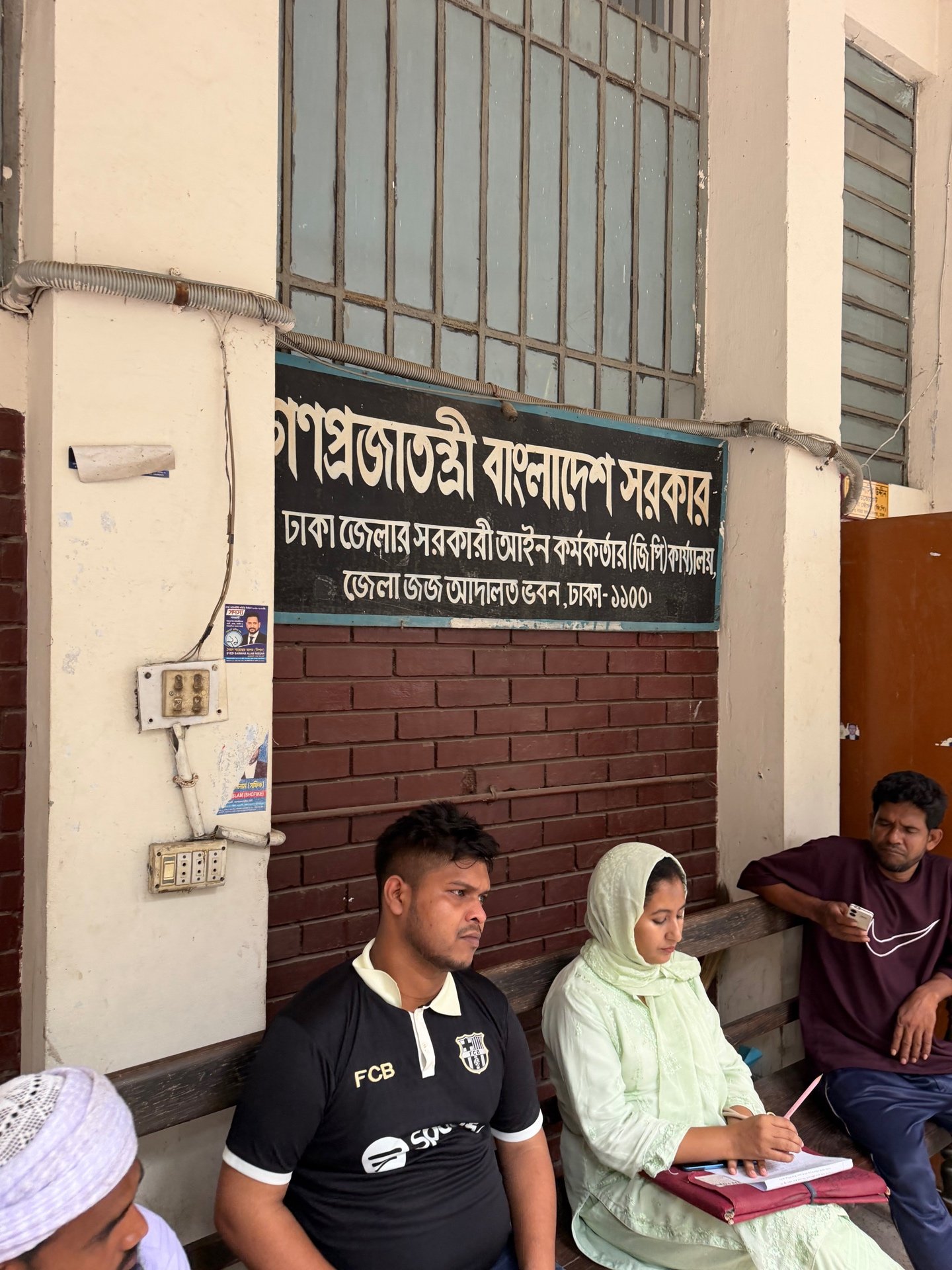
Writ Petition in Bangladesh: A Comprehensive Legal Guide
In the legal framework of Bangladesh, a writ petition in Bangladesh (রিট আবেদন) serves as a vital instrument for the protection of fundamental rights and the enforcement of legal duties. It acts as a powerful judicial remedy available under the Constitution of Bangladesh, enabling individuals and entities to seek redressal against unlawful actions or omissions by public authorities. This article provides a detailed and authoritative exploration of writ petitions, tailored for legal professionals, law students, and clients seeking profound legal insights. We will examine the types, procedures, and practical considerations of filing writ petitions in Bangladesh, while offering a comparative analysis and addressing frequently asked questions.
Understanding Writ Petitions in Bangladesh
The concept of writ petitions in Bangladesh is deeply rooted in constitutional law, primarily governed by the Constitution of the People’s Republic of Bangladesh, 1972. Writ petitions empower the Supreme Court Division of the High Court to issue orders to enforce fundamental rights or to ensure legality and fairness in administrative actions.
The Constitutional Basis of Writ Petitions
Article 102 of the Constitution of Bangladesh vests the High Court Division with the jurisdiction to issue writs for the enforcement of fundamental rights and other public duties. The writ jurisdiction is a fundamental mechanism to check the excesses of the executive and administrative authorities, ensuring that the rule of law prevails.
For a detailed constitutional perspective, legal professionals and clients may consult the official resources of the Supreme Court of Bangladesh and the Government of Bangladesh Legal Portal.
Types of Writs Available in Bangladesh
Bangladesh recognizes five principal types of writs, each serving a distinct purpose:
- Habeas Corpus (হাবিয়াস কর্পাস): To produce a person unlawfully detained before the court.
- Mandamus (মান্ডামাস): To command a public official or authority to perform a public duty.
- Certiorari (সার্টিওরারি): To quash an order, decision, or proceeding conducted without jurisdiction or in violation of principles of natural justice.
- Prohibition (প্রোহিবিশন): To prohibit lower courts or tribunals from acting beyond their jurisdiction.
- Quo Warranto (কো ওরান্টো): To question the legality of a person holding a public office.
Each writ serves a distinct judicial function and is critical in ensuring that public authorities act within their lawful boundaries.
Scope and Limitations of Writ Petitions
While writ petitions are a robust remedy, their scope has certain limitations:
- They are primarily directed against public authorities or bodies performing public functions.
- Civil disputes between private parties are generally outside the writ jurisdiction.
- The remedy is discretionary, and the Court may refuse relief if alternative efficacious remedies are available.
For further guidance on writ petition scope and practice, legal practitioners may refer to this authoritative article by Tahmidur Rahman Remura Wahid and the comprehensive services listed on BD Advocates Legal Services.
Procedural Aspects of Filing a Writ Petition in Bangladesh
Filing a writ petition requires strict adherence to procedural rules articulated in the Supreme Court Rules, 1972, and judicial precedents. The procedural discipline ensures the writ system functions efficiently and fairly.
Where to File a Writ Petition?
Writ petitions are exclusively filed in the High Court Division of the Supreme Court of Bangladesh. The petitioner must have locus standi, meaning a sufficient interest in the matter, and the case must involve the infringement of fundamental rights or jurisdictional errors by a public authority.
Legal professionals often initiate writ petitions by drafting a clear and cogent petition outlining the facts, grounds, and relief sought, supported by relevant documents. For assistance, prospective petitioners can contact reputed law firms with expertise in constitutional law such as BD Advocates Practice Areas or established legal portals like LawFirm.com.bd.
Essential Contents of a Writ Petition
A well-drafted writ petition must include the following elements:
- Title of the Case: Clearly indicating the parties involved.
- Jurisdiction: Statement establishing the jurisdiction of the High Court Division under Article 102.
- Facts: Concise narration of relevant facts leading to the petition.
- Grounds: Legal and factual grounds for issuance of the writ.
- Reliefs Sought: Specific orders or directions requested from the Court.
- Affidavit: Verification of the petition.
For templates and examples, referring to the Bar Council guidelines or consulting experienced advocates is advisable.
Filing Procedure and Court Etiquette
The filing process involves submitting the petition to the Registrar of the Supreme Court along with requisite court fees. The petition undergoes preliminary scrutiny before being listed for hearing.
Petitioners and their counsel must observe strict court etiquette:
- Professional attire and decorum in court.
- Respectful conduct towards the bench and opposing counsel.
- Strict adherence to court timings and procedural directions.
For more details on court procedures and etiquette, legal practitioners can consult resources available at the Judiciary of Bangladesh or contact experienced firms like Adv.com.bd.
Practical Considerations and Strategic Advice for Writ Petitions
Filing a writ petition is not merely a procedural exercise but a strategic legal endeavor. Success depends on several practical factors that litigants and legal advisors must consider.
Choosing the Appropriate Writ
Correct identification of the writ type is crucial. For example, if a person is unlawfully detained, habeas corpus is appropriate; if a public official fails to perform a statutory duty, mandamus is suitable. A misapplication may lead to dismissal or delay.
Documentation and Evidence
Substantiating allegations with documentary evidence strengthens the petition. Affidavits, official correspondences, and certified copies of orders are often necessary to establish the factual matrix.
Time Sensitivity and Limitation
Writ petitions must generally be filed expeditiously after the cause of action arises. Delays may prejudice the case, and courts may refuse relief citing laches or alternative remedies.
For tailored legal advice, clients should seek consultation from established law firms such as BD Advocates Contact or trusted legal experts like Meheruba.
Comparison Table: Types of Writs in Bangladesh
| Type of Writ | Purpose | Typical Use Case | Authority Issuing | Example |
|---|---|---|---|---|
| Habeas Corpus (হাবিয়াস কর্পাস) | Release of person unlawfully detained | Illegal arrest or detention | High Court Division | Person detained without lawful authority |
| Mandamus (মান্ডামাস) | Command to perform public duty | Failure to issue license or certificate | High Court Division | Public official refusing to act |
| Certiorari (সার্টিওরারি) | Quash illegal orders | Decisions made without jurisdiction | High Court Division | Invalid administrative order |
| Prohibition (প্রোহিবিশন) | Prevent lower court from exceeding jurisdiction | Lower court acting beyond power | High Court Division | Stopping unlawful trial |
| Quo Warranto (কো ওরান্টো) | Question legality of officeholder | Person holding office without qualification | High Court Division | Challenge to public office holder |
FAQs
1. What is a writ petition in Bangladesh?
A writ petition is a formal legal request filed in the High Court Division of the Supreme Court of Bangladesh seeking judicial orders (writs) to enforce fundamental rights or correct illegal actions by public authorities.
2. Who can file a writ petition?
Any individual, group, or entity whose fundamental rights are violated or who suffers from illegal administrative actions can file a writ petition, provided they have sufficient interest (locus standi).
3. Can writ petitions be filed against private individuals?
Generally, writ petitions are directed against public authorities or bodies performing public functions. Private disputes are typically outside writ jurisdiction unless there is a public element involved.
4. How long does it take to get relief through a writ petition?
The timeline varies depending on the complexity and urgency. Some writs, like habeas corpus, may be expedited, while others may take several months or longer.
5. Are there alternative remedies to filing a writ petition?
Yes. Courts may refuse writ relief if adequate alternative remedies, such as appeals or revisions, are available before lower courts or tribunals.
6. Where can I find legal assistance for filing a writ petition?
Clients can seek expert legal assistance from reputed law firms such as BD Advocates, or consult experienced lawyers listed on platforms like BarBarrister.com.bd.
For more extensive legal information and procedural guidelines, readers are encouraged to visit the official sites of the Bangladesh Bar Council and the Ministry of Law, Justice and Parliamentary Affairs.
In conclusion, the writ petition mechanism remains a cornerstone of Bangladesh’s constitutional justice system, safeguarding individual liberties and ensuring administrative accountability. Mastery of its legal nuances and procedural rigor is essential for practitioners and clients alike, and reliable legal counsel is indispensable for navigating its complexities effectively.
0 Comments