

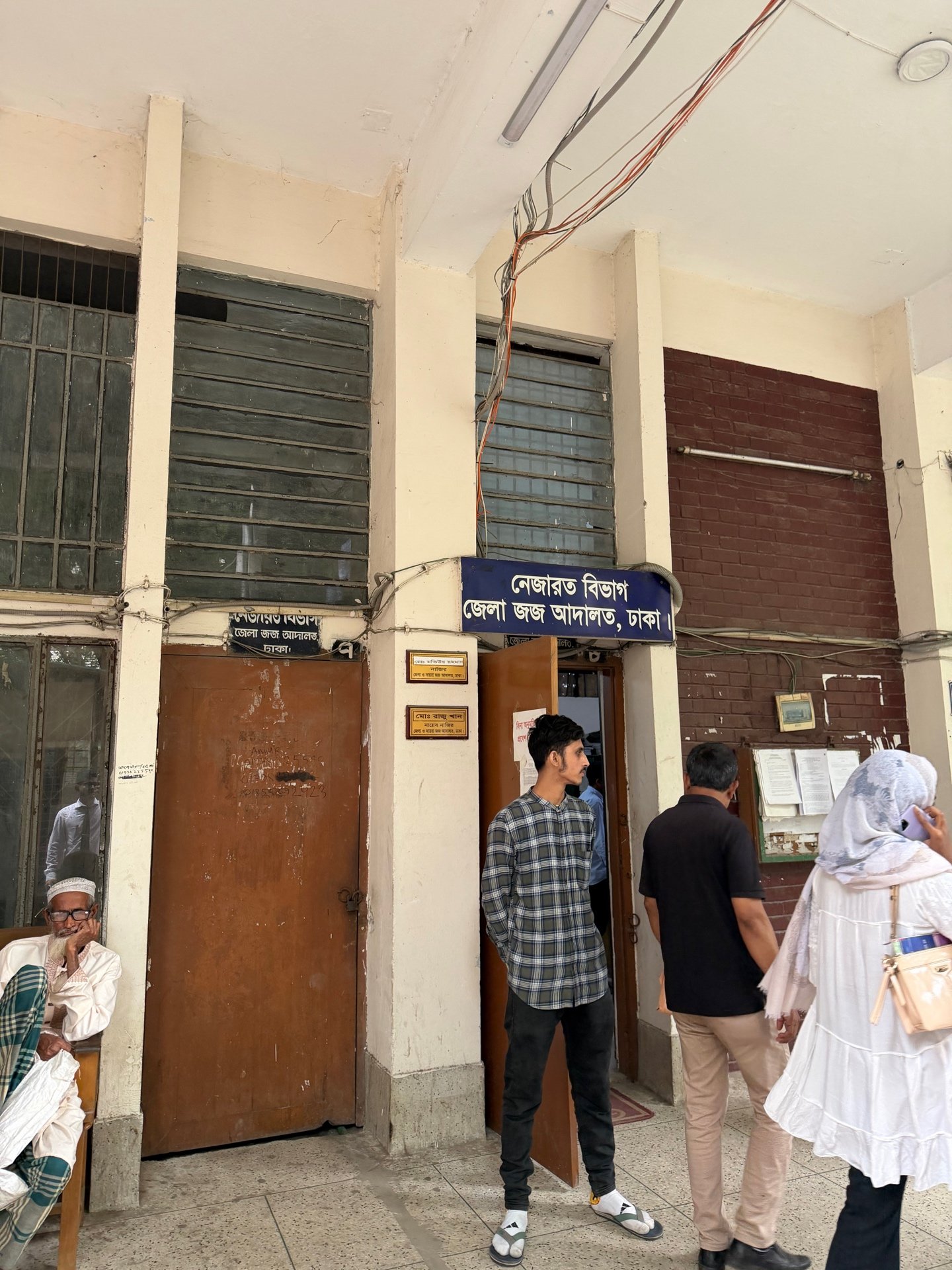
Manikganj Bar Association: A Comprehensive Guide for Legal Professionals and Clients in Bangladesh
The Manikganj Bar Association (মানিকগঞ্জ বার অ্যাসোসিয়েশন) stands as a pivotal institution within the legal landscape of Bangladesh. Serving as a professional body for lawyers practicing in the Manikganj district, it plays an instrumental role in upholding legal ethics, fostering professional development, and ensuring access to justice for clients. This article provides a detailed analysis of the Manikganj Bar Association, exploring its structure, functions, legal procedures, and practical advice for both lawyers and clients. Whether you are a practicing advocate, law student, or a client seeking legal representation, understanding the workings of this association is vital for navigating the legal system effectively in Bangladesh.
Overview of the Manikganj Bar Association
Historical Background and Establishment
The Manikganj Bar Association, like many district bar associations in Bangladesh, was established to represent the interests of legal practitioners in the Manikganj district courts. Its foundation is rooted in the need to maintain professional standards (পেশাগত মান), advocate for the rights of lawyers, and support the judiciary at the district level. The association is recognized under the jurisdiction of the Bangladesh Bar Council (বাংলাদেশ বার কাউন্সিল), which regulates the conduct of lawyers nationwide.
Organizational Structure and Membership
Membership to the Manikganj Bar Association is open to advocates enrolled with the Bangladesh Bar Council who practice in the Manikganj district courts. The association is typically governed by an executive committee, which includes positions such as the President, Secretary, Treasurer, and various other members elected annually. These members are responsible for decision-making, organizing continuing legal education programs, and liaising with the judiciary.
Role of the Manikganj Bar Association in Bangladesh’s Legal Framework
The Manikganj Bar Association serves multiple roles within the legal system:
- Advocacy: Representing the collective interests of lawyers in the district and advocating for legal reforms.
- Professional Development: Conducting seminars, workshops, and training to enhance the skills of advocates.
- Disciplinary Functions: Addressing complaints against members and ensuring compliance with ethical norms.
- Facilitating Access to Justice: Assisting clients in finding competent legal representation and ensuring efficient court processes.
Legal Procedures and Practices in Manikganj Courts
Filing Cases and Court Procedures
Understanding the procedural nuances in the Manikganj district courts is critical for both lawyers and clients. The filing of cases begins at the district court registry, where plaints (মামলা দাখিল) or petitions must comply with prescribed formats under the Code of Civil Procedure (সিভিল প্রক্রিয়া বিধিমালা) or the Code of Criminal Procedure (ফৌজদারি প্রক্রিয়া বিধিমালা), depending on the nature of the case.
Lawyers within the Manikganj Bar Association are well-versed with these procedures, including:
- Drafting and submission of plaints, written statements, and appeals.
- Understanding limitation periods as per the Limitation Act, 1908.
- Filing applications for interim relief.
- Procedures for evidence submission and witness examination.
Case Management and Court Etiquette
Efficient case management in Manikganj courts requires strict adherence to court etiquette and procedural timelines. Advocates must maintain decorum (আদব) in court, which includes proper attire, respectful communication with judges, and punctuality for hearings.
Additionally, the association encourages members to adopt best practices such as:
- Pre-hearing case preparation.
- Maintaining transparent client communication.
- Ensuring prompt submission of required documents.
- Ethical advocacy without resorting to frivolous litigation.
Dispute Resolution Mechanisms
While litigation remains a primary method for dispute resolution, the Manikganj Bar Association promotes alternative dispute resolution (ADR) methods such as mediation and arbitration, in line with Bangladesh’s Arbitration Act, 2001. Advocates are encouraged to explore ADR to reduce case backlog and provide faster justice to clients.
Practical Advice for Legal Professionals and Clients
For Lawyers: Enhancing Professional Competence within the Manikganj Bar Association
Lawyers practicing in Manikganj should engage actively with the Bar Association to benefit from continuing legal education (CLE) programs and peer networking. Staying updated on recent judicial pronouncements through resources such as the Supreme Court of Bangladesh website and Bangladesh Laws portal is essential.
Moreover, advocates must familiarize themselves with the ethical guidelines issued by the Bangladesh Bar Council to avoid professional misconduct.
For Clients: Navigating Legal Services in Manikganj
Clients seeking legal representation in Manikganj should consider the following:
- Verify the advocate’s registration with the Bangladesh Bar Council and membership in the Manikganj Bar Association.
- Understand fee structures upfront to avoid disputes.
- Maintain detailed records of all communications and documents related to their case.
- Leverage the association’s resources to find lawyers with expertise in specific practice areas such as family law, criminal law, or commercial litigation.
For detailed legal services, clients may explore offerings at bdadvocates.com, which provides comprehensive legal assistance tailored to the Bangladesh context.
Ethical Considerations and Professional Responsibilities
Both lawyers and clients must recognize the importance of ethical conduct throughout the legal process. The Manikganj Bar Association emphasizes adherence to the Advocates Act, 2019 and the Bar Council Rules, which govern lawyer conduct, confidentiality, and conflict of interest.
Lawyers must avoid practices such as:
- Accepting cases beyond their competence.
- Misleading clients or the court.
- Engaging in fee-splitting or unethical inducements.
Clients should be honest with their lawyers and provide all relevant information to ensure effective representation.
Comparison Table: Manikganj Bar Association vs Other District Bar Associations in Bangladesh
| Feature | Manikganj Bar Association | Dhaka Bar Association | Chittagong Bar Association | Rajshahi Bar Association |
|---|---|---|---|---|
| Year Established | 1970s | 1950s | 1960s | 1970s |
| Number of Active Members | Approx. 500 | Over 5,000 | Approx. 1,200 | Approx. 600 |
| Scope of Practice | District & Sessions Courts | District, Sessions, High Court Division | District & Sessions Courts | District & Sessions Courts |
| Continuing Legal Education (CLE) | Quarterly Workshops | Monthly Seminars & Training | Bi-Monthly CLE Programs | Quarterly Workshops |
| ADR Facilitation | Promoted | Active Mediation Centers | Emerging ADR Programs | Promoted |
| Affiliation with National Bodies | Bangladesh Bar Council | Bangladesh Bar Council | Bangladesh Bar Council | Bangladesh Bar Council |
FAQs
1. What is the process for becoming a member of the Manikganj Bar Association?
To become a member, an advocate must be enrolled with the Bangladesh Bar Council and practice within the Manikganj district courts. Upon application and payment of prescribed fees, the Bar Association grants membership, allowing participation in its activities and voting rights in elections.
2. Does the Manikganj Bar Association offer any continuing legal education programs?
Yes, the association organizes quarterly workshops and seminars aimed at updating lawyers on new laws, judicial decisions, and legal practices.
3. How does the Manikganj Bar Association handle disciplinary matters?
Disciplinary issues are addressed through a committee within the association that investigates complaints and may recommend actions in accordance with the Bangladesh Bar Council’s regulations.
4. Can clients directly approach the Manikganj Bar Association for legal aid?
While the association primarily serves lawyers, it can guide clients to qualified advocates and may facilitate access to legal aid services available in the district.
5. What role does the Manikganj Bar Association play in alternative dispute resolution?
The association promotes ADR methods such as mediation and arbitration, encouraging lawyers to consider these mechanisms for faster and cost-effective resolution.
6. Where can I find rules and regulations governing advocates in Bangladesh?
The Bangladesh Bar Council website provides comprehensive resources on the Advocates Act, Bar Council Rules, and other guidelines relevant to legal practitioners.
For more information on various practice areas and specialized legal services offered in Bangladesh, visit bdadvocates.com. If you wish to get in touch for professional legal advice, please visit our contact page.
Additional legal resources can be found at the Judiciary of Bangladesh and the Ministry of Law, Justice and Parliamentary Affairs.
For further insights into the legal profession and advocacy in Bangladesh, consider visiting renowned legal platforms such as Tahmidur Rahman, Meheruba, Law Firm Bangladesh, Barrister Bangladesh, and Adv Bangladesh.
In conclusion, the Manikganj Bar Association remains a cornerstone institution that supports the legal fraternity and clients alike within the district. By adhering to its guidelines, engaging with its programs, and understanding the legal procedures it facilitates, both advocates and clients can navigate the justice system in Bangladesh with greater confidence and efficacy.
0 Comments